• Skip to main content

Southlake Dermatology

  • Bill Pay
  • Patient Portal
  • Make an Appointment
  • Services
  • Health Library
  • About
    • Charitable Contributions
    • Careers
  • Patient Resources
  • Specials
  • Shop
  • Contact

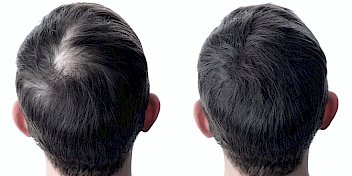
Hair Loss

November 7, 2024 by westdermcorp

Discover more about alopecia or hair loss.

Everyone loses hair. It is normal to lose about 50-100 hairs every day. If you see bald patches or lots of thinning, you may be experiencing hair loss. The medical term for this condition is alopecia.

Causes

There are many causes of hair loss. Women may notice hair loss after giving birth. People under a lot of stress can see noticeable hair loss. Some diseases and medical treatments can cause hair loss.

The most common cause of hair loss is hereditary hair loss. About 80 million men and women in the United States have this type of hair loss. Other names of this type of hair loss include Male-pattern baldness, Female-pattern baldness, or Androgenic alopecia.

Alopecia areata is a prevalent autoimmune skin disease resulting in the loss of hair on the scalp and elsewhere on the body. Alopecia areata occurs in males and females of all ages, but onset often occurs in childhood. Over 6.6 million people in the United States and 147 million worldwide have or will develop alopecia areata at some point in their lives.

Cicatricial alopecia is a rare disease which destroys a person’s hair follicles. Scar tissue forms where the follicles once were, so the hair cannot re-grow.

Central centrifugal cicatricial (scarring) alopecia primarily affects women of African descent. It begins in the center of the scalp and radiates out from the center of the scalp as it progresses. The affected scalp becomes smooth and shiny. The hair loss can be very slow or rapid.

There are many risk factors that can contribute to or cause hair loss, including:

  • Underlying medical conditions
  • Illness
  • Certain cancer treatments
  • Ringworm
  • Trichotillomania, which causes people to pull out their own hair
  • Hormonal changes
  • Stress
  • Weight Loss
  • Vitamin A deficiency
  • Protein or Iron deficiency
  • Eating Disorders
  • Inadequate hair care and certain hair styles

Symptoms

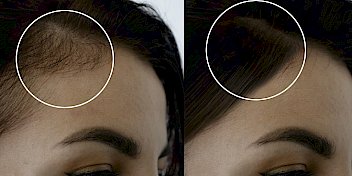
Hair loss may cause gradual thinning, bald patches, or complete baldness. It varies from person to person, and condition.

Treatment

Once your provider determines what is causing your hair loss, there are many effective options for treatment.  Schedule an appointment to learn more about treatment options!
Skin Tightening Treatments

November 7, 2024 by michaelboache

Skin tightening procedures are non-invasive cosmetic treatments that stimulate collagen and improve the skin’s tone and elasticity on the face and body.

Wrinkles, sagging, and “crepey” skin conditions occur as your body ages. Production of collagen and elastin, the two proteins that keep skin plump, firm, and smooth, slows down, resulting in slack skin on the face, neck, and body. 

The capacity of your skin to create elastin and collagen deteriorates slowly, over time. Before you know it, you may be faced with older-looking skin that doesn’t reflect the youthful way you feel on the inside.

Several non-invasive, non-surgical treatments are available to help tighten the skin on your face and elsewhere on the body. These treatments use a variety of radiofrequency, ultrasound, and lasers to help bring the skin back to its youthful appearance.

Types of Skin Tightening Treatments

Non-surgical skin tightening can temporarily stop the aging process and restore a firmer, smoother, more youthful appearance with little to no downtime. 

Contact your dermatologist to learn more about any of the following skin tightening treatments:

ThermiVa®

ThermiVa is an FDA-approved procedure that uses controlled heat radiation to tighten and regenerate the skin of the labia and vagina.

Are you self-conscious about the look of your genital area, or do you suffer from a reduction in sensations resulting from lax vaginal skin? These issues are generally caused by aging, childbirth, or hormonal changes. 

Your dermatologist can enhance labial, vulvar, and vaginal laxity using ThermiVa, a painless in-office treatment that requires no surgery and no anesthesia. The same established radio-frequency technology used in other anti-aging operations feminine rejuvenation therapy to tighten loose vaginal skin. 

EMSELLA®

Emsella is a non-invasive, non-surgical therapy for incontinence caused by a weak pelvic floor. 

The Emsella chair generates a high-intensity focused electromagnetic (HIFEM) wave to induce supramaximal contractions in the pelvic floor muscles. Treatments last about 30 minutes, and you will need about six sessions. Treatment is painless, but you may experience some tingling or pelvic floor muscle contractions.

Most people with urinary incontinence benefit from Emsella treatments, decreasing the likelihood of urinating as a result of sneezing, coughing, laughing, or exercising. Emsella eliminates the need to organize excursions and outings around the location of restrooms.

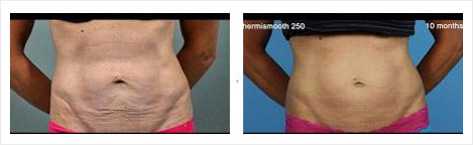
ThermiSmooth®

ThermiSmooth Body is a non-invasive, topical radiofrequency therapy performed with a thermistor-controlled handpiece. 

The handpiece is softly dragged across the skin, contracting and remodeling the collagen molecules. This prompts fibroblasts to produce new collagen, giving you renewed collagen and encouraging the production of new collagen over time. 

The neck, décolleté, arms, abdomen, flanks/love handles, back, hips, thighs, and knees are all excellent areas to use ThermiSmooth Body. Treatments take 6 to 8 weeks, and patients typically compare it with getting a firm, warm massage.

Ultherapy®

Ultherapy uses ultrasound imaging to activate collagen in the very deepest layer of the face muscle to lift and tighten loose skin. 

There is no recovery period, and it is the only FDA-approved technology for lifting and tightening the skin of the face and neck. There is presently no non-invasive equipment that compares to it. 

Ultherapy provides proven results for most patients in a single treatment and is an excellent option for those who are not ready for a surgical facelift. Ultrasonic energy has a long track record in medicine and has been used for more than 50 years.

Am I a Good Candidate for Skin Tightening Procedures? 

You are a good candidate for skin tightening treatments if you have loose skin that is not responding to exercise or dieting. Skin tightening also works well on older skin with a crepey appearance or any aging skin areas that need rejuvenation. 

If you want to improve the look of your loose or sagging skin, you owe it to yourself to talk to one of our professional clinicians at Southlake Dermatology. Contact us today to learn more.

Laser Therapy for Skin, Vein & Hair

November 7, 2024 by michaelboache

Laser therapy works by increasing cellular energy and encouraging healthy regeneration.

Lasers have been used in dermatology for at least 40 years. Recent advances have not only increased the efficacy of laser therapy but broadened its scope of usefulness. Laser therapy is used for everything from hair removal to the destruction of cancerous skin growths.

The benefits of laser therapy include the fact that it is non-invasive and virtually painless. Although sometimes minimal side effects can occur, like temporary pain, discomfort or blistering, most would agree that laser therapy is certainly worth considering.

Your dermatologist will recommend laser treatments based on your goals and condition type.

To view a full list of treatments, click here.

What is Laser Therapy Used For?

We offer a wide variety of laser types and treatments and many conditions respond very well to laser therapy, such as:

  • Overgrowth of hair
  • Acne scars
  • Hyperpigmentation (age spots)
  • Skin lesions or scars
  • Wrinkles or fine lines
  • Sagging skin/jowls
  • Spider veins, broken capillaries or vascular lesions
  • Rosacea
  • Birthmarks

There are even more skin conditions that may warrant consideration of laser therapy. Talk to your dermatologist at Southlake Dermatology to see if laser therapy may be right for you.

Southlake Dermatology is proud to offer:

  • Fraxel
  • IPL FotoFacial
  • Laser Hair Removal
  • Radiofrequency

Before & After

Am I a Candidate For Laser Therapy?

Laser therapy is effective for many conditions, including those brought about by lifestyles and habits.

If you regularly sunbathe or have a history of drinking or smoking, you may need treatment for sun damage, wrinkles, and broken capillaries. Laser therapy is not preventative, so if you indulge in the same kind of behaviors, the initial problem will return.

The best candidates for laser therapy are those who are willing to do more to protect their skin. That way, the results will be lasting.

There are others who might not respond well to laser therapy. This includes those who:

  • Are currently taking certain acne medications
  • Are vulnerable to excess scarring
  • Are pregnant
  • Are taking blood-thinning medication or aspirin daily
  • Have certain skin resurfacing disorders
  • Are prone to sunburns or who currently have a tan or sunburn
  • Have active acne breakouts
  • Are dark-skinned

Your dermatologist will advise you as to whether or not you are a good candidate for laser therapy. Often, the reason someone isn’t a good candidate has to do with the potential for visible scarring after treatment. But all in all, a healthy individual with relatively good skin and no underlying conditions can expect to be a good candidate for this treatment.

Laser therapy is FDA-approved and has been shown to be highly effective over the decades. Why not see for yourself what laser therapy can do for your skin?

Fillers

November 7, 2024 by michaelboache

Fillers are Cosmetic injections used at different depths to contour, fill and increase facial volume

To view a full list of treatments, click here.

Fillers are used by dermatologists to help patients achieve natural looking beauty, in areas that might need additional fullness or definition.

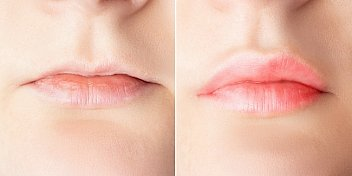
Fillers plump up the skin so wrinkles disappear and sagging diminishes or becomes less noticeable. Depending on your goals, there are many options that might fit within your treatment plan to achieve the look you desire. Fillers range from smoothing facial wrinkles and folds, increasing lip volume, restoring cheek shape and definition, and adding volume where collagen supply has decreased due to aging.

These injections do not lead to permanent results but repeat treatments are safe. This way, anyone can achieve the more youthful appearance that they desire.

Southlake Dermatology offers several Filler injection treatments, including Revanesse®, Restylane®, Sculptra® Aesthetic and Juvederm®.

What are Filler Injections Used For?

  • Restore volume in cheeks, under eyes and deep wrinkles and creases
  • Plump Lips
  • Contour cheeks and chin to create a more defined look

Before & After

Fillers are FDA-approved and considered safe for most individuals; however, certain side effects may occur with some filler injection formulations.

If you have side effects with one type of filler injection, it doesn’t mean you and your dermatologist can’t use another type of cosmetic injection. Talk to your dermatologist at Southlake Dermatology to determine if one type of filler may be more suitable for your needs than another.

Botulinum Toxin Injections

November 7, 2024 by michaelboache

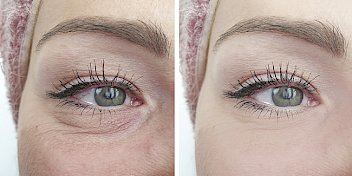
Botulinum Toxin Injections are used by dermatologists to help patients achieve a more youthful appearance.

Botulinum Toxin Injections work beneath the outer layer of the skin to reduce the ability of movement in the underlying muscles that cause wrinkles, frown lines and crow’s feet.

These injections do not lead to permanent results but repeat treatments are safe and encouraged to maintain your youthful look. Southlake Dermatology offers several Botulinum Toxin Injection treatments, including Botox®, Jeuveau, and Dysport®.

What are Cosmetic Injections Used For?

The primary purpose of cosmetic injections is to improve the appearance of skin, and prevent wrinkles and frown lines from appearing when started at an earlier age.

For this reason, cosmetic injections are most often done on the face; however, they can also be done on other areas of the body, including the hands. In fact, Botox is a cosmetic injection that is also used to combat excessively sweaty palms.

  • Most often, though, cosmetic injections are used to:
  • Soften facial creases
  • Erase fine lines and wrinkles
  • Enhance facial contours
  • Smooth skin

Botulinum Toxins are FDA-approved and considered safe for most individuals; however, certain side effects may occur with some cosmetic injection formulations.

If you have side effects with one type of cosmetic injection, it doesn’t mean you and your dermatologist can’t use another type of cosmetic injection.

Before & After

Am I a Candidate for Cosmetic Injections?

If you suffer from unwanted wrinkles, or are looking to prevent future wrinkles from appearing, cosmetic injections could be a great treatment option for you. Anyone who wishes to appear healthier is a good candidate!

We offer technology to help you easily achieve a more youthful appearance through cosmetic injections. It may take more than one visit in order for you to achieve your desired results.

Your dermatologist or physician assistant at Southlake Dermatology can help guide you through the process.

Pediatric Dermatology

November 7, 2024 by michaelboache

Comprehensive skincare for patients aged 18 and below.

Taking care of young skin is crucial to help ensure a lifetime of healthy skin. As the largest organ of the body, the skin is affected by a vast array of bodily functions, and visually exhibits the state of health of the body.

Diagnosing and treating pediatric skin conditions is central to our mission at Southlake Dermatology. That is why we offer comprehensive pediatric dermatology care that covers skin, hair, and nails.

Diagnosis of Pediatric Skin Conditions

A wide variety of skin conditions can benefit from our pediatric dermatology services at Southlake Dermatology. These include:

  • “Baby” eczema
  • Severe/chronic diaper rash
  • Birth injury/lesion
  • “Salmon patches” or “stork bites”
  • Vitiligo
  • White bumps
  • “Cradle cap” (seborrhea)
  • Dandruff
  • Brittle nails
  • Discolored nails
  • Acne (mild to severe)
  • Abnormal hair loss
  • Dermatitis
  • Skin rashes
  • Hives
  • Itching
  • Pain
  • Eczema
  • Moles (suspicious)
  • Psoriasis
  • Dermatofibroma
  • Abnormal scarring
  • Sunburn
  • Allergic reactions (poison ivy, poison oak, food-related)
  • Bacterial, viral or fungal skin infections
  • Warts
  • Inherited/genetic skin conditions
  • And more…

As you can see, there are countless reasons why you may need to bring your baby, youngster, or teen in to see one of our professional clinicians.

The key to ensuring expedient and accurate diagnosis and treatment of pediatric skin conditions is to make sure that your child is seen by a professional as soon as possible after symptoms appear.

If you have any doubt regarding whether your child’s condition warrants a visit, just give us a call and one of our friendly and experienced team members will be happy to advise you.

Treatment For Pediatric Dermatology Skin Conditions

After your youngster’s skin condition has been diagnosed, your doctor will provide treatment options to you.

You and your dermatologist will work closely together to ensure that you fully understand the diagnosis, treatment, and follow-up care.

As a loving parent or caregiver, your assistance will be integral to the recovery of your child’s skin condition. As such, you will always be fully “in the loop” when it comes to dermatologic care for your infant or adolescent.

Our dermatologists are happy to answer your questions and get you in as soon as possible to have your child’s skin, hair, or nail condition diagnosed and treated.

Body Contouring Treatments

October 24, 2024 by michaelboache

Body contouring procedures are non-invasive cosmetic treatments that target stubborn fat cells, tone, define muscle, and tighten on the face and body. Learn more.

Achieve your goals with the latest technology in body contouring. We offer customized treatment plans that target your areas of concern or whether you are looking to reduce fat, tone, gain muscle or maintain.  

Types of Body Contouring Treatments

Non-surgical body contouring can help you look and feel your best!

Contact your dermatologist to learn more about any of the following treatments:

Kybella®

KYBELLA is a prescription medicine used in adults to improve the appearance and profile of moderate to severe fat below the chin (submental fat), also called “double chin.”

It is the first and only FDA-approved injectable therapy for improving the look and profile of moderate to severe submental fat. The active ingredient is synthetic deoxycholic acid, a naturally occurring molecule in the body that assists in breaking down and absorbing dietary fat. 

KYBELLA destroys fat cells, resulting in a noticeable reduction of fullness under the chin. Once the fat cells are destroyed, they can no longer accumulate fat. 

CoolSculpting® Elite®

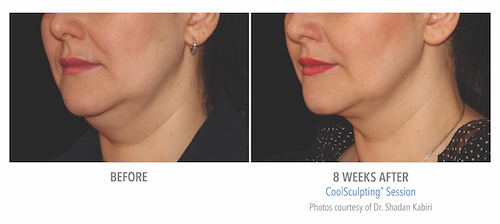
CoolSculpting freezes away fat cells by using cryolipolysis, which uses cold temperatures to target stubborn fat deposits that don’t respond to diets or exercise. 

This fat-reduction approach targets fat cells beneath the skin without harming the epidermis or other tissues. The FDA has authorized CoolSculpting to treat fat pockets in the following areas:

  • Thighs
  • Abdomen 
  • Back of the bra line
  • Beneath the chin
  • Arms
  • Below the buttocks

After only one session, CoolSculpting can destroy up to 25% of fat cells in a treated region. At least two sessions are required for each location to attain effective results; however, several body parts can be treated during a single session. 

A CoolSculpting treatment may be completed in as little as one hour, making it ideal for scheduling over your lunch break.

Emsculpt®

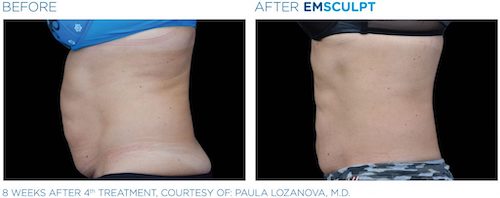
Emsculpt is the only therapy that helps grow muscle while simultaneously lowering fat, resulting in regions that are more toned and sculpted. Abdominals, buttocks, biceps, and triceps are among the areas treated. 

HIFEM® (High-Intensity Focused Electromagnetic) is a patented non-invasive technique utilized by Emsculpt to produce intense muscular contractions that are not possible with ordinary training. Emsculpt causes contractions in muscles that cannot be actively controlled.

Am I a Good Candidate for Body Contouring Procedures? 

You are a good candidate for body contouring treatments if you have areas that are carrying excess fat, cellulite, or are looking to increase muscle tone. 

Talk to one of our professional clinicians at Southlake Dermatology. Contact us today to learn more.

Skin Cancer

October 24, 2024 by westdermcorp

Early detection of skin cancer plays a critical role in recovery and survival rates.

Skin cancer is defined as the growth of abnormal cells in the outer layer of the skin. A diagnosis of skin cancer means that a person has out-of-control, malignant skin cell growth.

This condition can ultimately be fatal when left untreated or undiagnosed. Skin cancer can grow unchecked and infiltrate other parts of the body.

A comprehensive skin exam with your dermatologist is the first line of defense against skin cancer.

What are the Symptoms of Skin Cancer?

The most common type of cancer, skin cancer, can range from very mild types to those that are life-threatening. Because of this, it’s vital to catch it as early as possible.

To do so, you need to know the common symptoms. In most cases, these include:

  • Bleeding sore that heals but then returns
  • Pearly or waxy bump on skin
  • Flat lesion with a scaly, crusted surface
  • Mole that changes color or size
  • Lesions with irregular borders

Since these symptoms can be associated with various types of skin cancers, it is crucial that you not delay in seeking the advice of your Southlake Dermatology provider to get a proper diagnosis.

Types of Skin Cancer

If you are unfamiliar with skin cancer, you should realize there are multiple types of skin cancer, some of which are mild while others are quite serious.

The most common types of skin cancer are:

  • Basal cell carcinoma
  • Squamous cell carcinoma
  • Melanoma

Basal cell carcinoma is usually found on sun-exposed areas such as the neck or face. Signs of this cancer include flat lesions that are flesh-colored or have a scar-like appearance, as well as a sore that won’t heal or heals and then returns.

Squamous cell carcinoma usually appears on the ears or hands. Characterized by a flat lesion with a scaly and crusty surface, people with darker skin can develop this cancer on areas not often exposed to the sun.

Melanoma can occur anywhere on the body, can affect men and women, and be present on any skin tone.

What Causes Skin Cancer?

Skin cancer is very complex and can be caused by many different factors. No matter the type, skin cancer is caused by mutations in the DNA of skin cells, leading to them growing out of control — creating a cancer cell mass.

The main reasons why this occurs are:

  • Exposure to UV rays from the sun or tanning beds
  • Exposure to toxic substances or radiation
  • Having a compromised immune system

Other risk factors include having a large number of moles on your body, having a predisposition to sunburns, or having a family history of skin cancer.

Treatment for Skin Cancer

Treatment results can vary. Your provider at Southlake Dermatology will advise you as to the appropriate course of treatment based on your individual circumstances and the type of skin cancer that you have.

Due to the seriousness of skin cancer, don’t take chances by delaying your diagnosis and treatment. With skin cancer, early detection plays a critical role in recovery and survival.

Never try to diagnose an unusual-looking mole by yourself at home, schedule a consultation with us if you have concerns.

Mole Removal

October 24, 2024 by michaelboache

Dangerous or unsightly moles can be removed from almost anywhere on the body. Mole removal is safe, effective, and virtually painless. 

What is a Mole?

A mole is a growth on the skin. Most moles are benign, but they can turn cancerous.

People can be born with moles, or they can develop moles over the course of their lives. It’s important to be aware of what moles you have and where they are located.

Although you don’t generally need to worry about moles, any changes in the mole’s appearance should be brought to the attention of your dermatologist at Southlake Dermatology. In particular, look for changes in color and/or size.

Sometimes moles can occur in areas of the body that negatively impact appearance or self-esteem, such as on the face.

Moles are detected during routine skin screenings done by our dermatologists, or you may know about a mole you’ve had your entire life. Moles may appear as you age, or a lifelong mole may change in shape, appearance, or size.

Mole removal is available, even when the mole poses no health risk.

Have a suspicious-looking mole? Our skilled dermatologists can screen the mole and your skin for malignancy concerns and discuss removal options.

What Causes Moles?

Skin moles arise when skin cells grow in clusters. These cells, known as melanocytes, are found throughout your skin and produce melanin, the pigment that colors your skin.

Various complications can result for some people who have moles, such as:

  • Having very large moles
  • Having too many moles
  • Having moles of irregular shapes or textures

When any of these complications occur, you run the risk of developing melanoma or other types of skin cancer.

To be on the safe side, any mole that you have should be examined by your Southlake Dermatology dermatologist. 

Should you have a mole that is giving you problems or has changed its size, shape, and texture recently, don’t ignore it. Contact your dermatologist at Southlake Dermatology right away to schedule a thorough examination of your skin and moles.

What is Mole Removal?

Mole removal is the process of removing benign or malignant moles for aesthetic or medical purposes.

Our dermatologists can remove dangerous or unsightly moles almost anywhere on the body. Mole removal is safe, effective, and virtually painless. The process of mole removal in a dermatologist’s office has been done for a number of decades and is FDA-approved.

What is Mole Removal Used For?

There are many situations in which a person should seek help from a dermatologist for mole removal.

Moles can be indicative of a serious skin condition, such as melanoma. Left untreated, a malignant mole can grow into a life-threatening condition that may be irreversible.

Mole removal is also used to remove unsightly benign moles. Certain moles can be disfiguring, or they can appear in unflattering areas on the body.

Types of Mole Removal

Once you and your dermatologist have agreed that mole removal is the best next step, your dermatologist will decide which type of mole removal procedure to use.

The type of mole removal will depend upon your individual circumstances, the size and nature of the mole, and the reason for the mole removal.

  • Laser therapy. A specialized laser can be used to remove benign moles. The intense, focused light beam neutralizes the cells within the mole, causing them to die and fall away. Multiple laser therapy visits may be needed for complete mole removal.
  • Shaving. Shallow moles may be removed with surgical shaving, where a scalpel is used to shave away the mole cells.
  • Excision. Surgical excision is used when a mole is deep and requires to be cut out. This procedure may also require stitches and can leave a small scar.

Am I a Candidate For Mole Removal?

Most patients can have their mole/s removed. There are few reasons why a mole cannot be removed. The main question is what kind of mole removal procedure is best for your unique circumstances.

Certain types of mole removal procedures may leave a small scar. If you are considering having a mole removed purely for esthetic reasons, you need to decide if it’s worth risking a scar in place of the mole, even if it’s a small scar.

All moles on the body should be carefully monitored. Our dermatologists at Southlake Dermatology are adept at identifying and diagnosing dangerous moles.

Request an appointment with us today!

Atopic Dermatitis (Eczema)

October 24, 2024 by michaelboache

Eczema is a broad term used to describe a range of skin conditions characterized by rashes, itchiness, and redness.

It’s estimated that over 31 million people in the U.S. alone have some form of eczema. Episodes of eczema may be chronic, one-time issues, or continual.

Whatever kind of eczema you are experiencing, you can rely on our professional team of clinicians to help with diagnosis and treatment.

Visible redness or irritated patches on the skin may look concerning, but eczema is not contagious. Although there is no known cure for eczema, you will find effective treatments and symptom relief at our easy-to-reach clinic in Southlake.

What are the Symptoms of Eczema?

If you have eczema, various parts of your body can develop rashes and dry, itchy skin. Usually, this occurs behind your knees, inside your elbows, and on your hands, feet, and face. However, remember that eczema is not contagious.

The most common symptom of eczema is itching, which in turn leads to scratching and rubbing the skin, increasing the irritation. Other symptoms include:

  • Skin patches that are rough and leathery
  • Red and raised bumps on the skin known as hives
  • Scaly skin patches
  • Skin that is swollen and sore
  • Skin color changes.

Types of Eczema

There are many different types of eczema, diagnosed both by symptoms and where it occurs on the body, including:

  • Atopic Dermatitis. The most common form of eczema, atopic dermatitis usually starts during childhood and may disappear or become much milder by adulthood. Linked to allergies, many people with this condition also suffer from hay fever and asthma.
  • Contact Dermatitis. Resulting in red, irritated skin, contact dermatitis occurs when your skin comes in contact with a substance to which it is allergic, such as latex, certain types of metal, or chemicals. Certain skincare ingredients and makeup, plants such as poison ivy and poison oak, or even tobacco smoke can sometimes trigger contact dermatitis.
  • Dyshidrotic Eczema. More common in women than men, dyshidrotic eczema is characterized by small, fluid-filled blisters forming on fingers, palms, toes, and soles of your feet. Stress is thought to be a primary trigger for outbreaks.
  • Hand Eczema. Only affecting the hands, this form of eczema is common among hairdressers, cleaning personnel, and others whose hands are regularly exposed to various chemicals.
  • Neurodermatitis. Very similar to atopic dermatitis, neurodermatitis presents as thick, scaly patches of skin that are very itchy, even when you are sleeping.
  • Nummular Eczema. Causing round, coin-shaped spots on your skin, nummular eczema is known for making the skin extremely itchy, and is often triggered by insect bites.
  • Stasis Dermatitis. Somewhat uncommon, stasis dermatitis occurs when fluid leaks out of weakened leg veins onto the skin, causing itching and redness.

What Causes Eczema?

When skin cannot retain moisture very well or has a disrupted barrier that lets moisture from the skin evaporate too freely, eczema often occurs.

Some of the most common causes of eczema include:

  • Environmental factors such as pollen or mold
  • Allergies such as hay fever
  • Asthma
  • Soaps, detergents, and shampoos
  • Synthetic or wool fabrics
  • Viral, fungal, and bacterial infections
  • Pet dander
  • Chemicals and solvents

Treatment for Eczema

Southlake Dermatology offers insights into diverse eczema treatments. Schedule your appointment today for personalized information and care. 

  • « Go to Previous Page
  • Page 1
  • Page 2
  • Page 3
  • Page 4
  • Page 5
  • Go to Next Page »

Southlake DermatologyLogo Header Menu
  • Services
  • Health Library
  • About
    • Charitable Contributions
    • Careers
  • Patient Resources
  • Contact
  • Shop
  • Pay Bill
  • Patient Portal
  • Make an Appointment